6 Things You Need to Start Tracking Macros
6 Things You Need to Start Tracking Macros
If you’ve ever thought about tracking macros but felt overwhelmed, the good news is you don’t need much to get started. A few basic tools can make the process way easier and way more accurate.
Here are the five things I recommend to anyone starting out.
1. A Food Scale
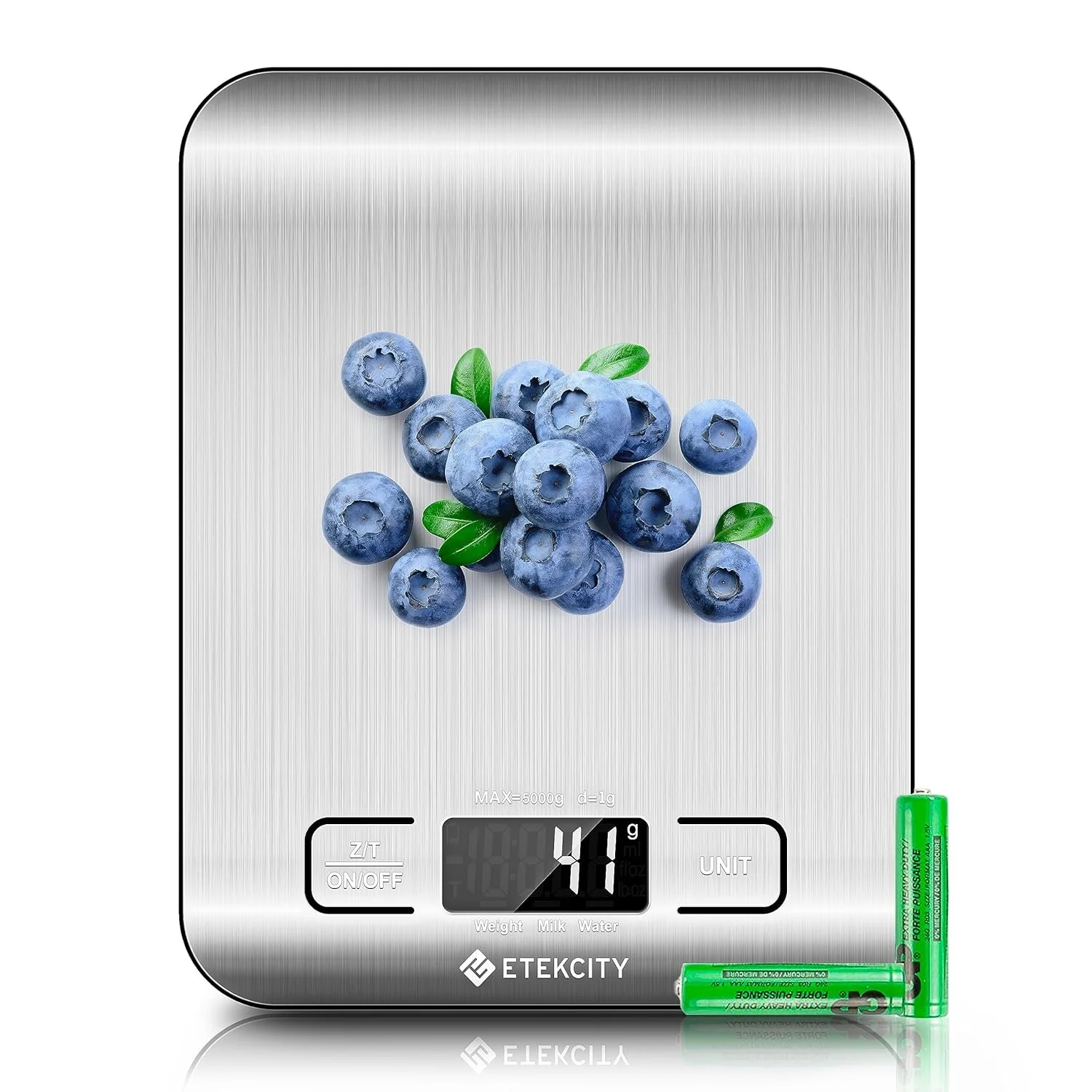
This is the single most helpful tool when you’re learning macros.
A food scale lets you weigh your food so you know exactly how much you’re eating instead of guessing. That accuracy matters because even small portion errors can add up to a big difference in calories and macros over the course of a day.
I am a SNACKER. And for years I have fooled myself that I wasn’t eating as much as I was so I was loggin food incorrectly. Knowledge is power. Get the food scale!
Once you get used to it, it takes about two seconds and makes tracking so much easier.
2. Measuring Cups
Even if you use a scale most of the time, measuring cups are still helpful for things like oats, fruit, and other solids.
They’re also great for learning what portions actually look like so that when you’re eating out or traveling you can estimate more confidently.
3. A Body Scale
Okay, this one can feel a little scary at first.
But the scale is just data. It helps you see trends over time so you know whether your macros are working or if you need to adjust.
I like using one that connects to an app so it tracks everything automatically.
Remember: look at weekly trends, not day-to-day fluctuations.
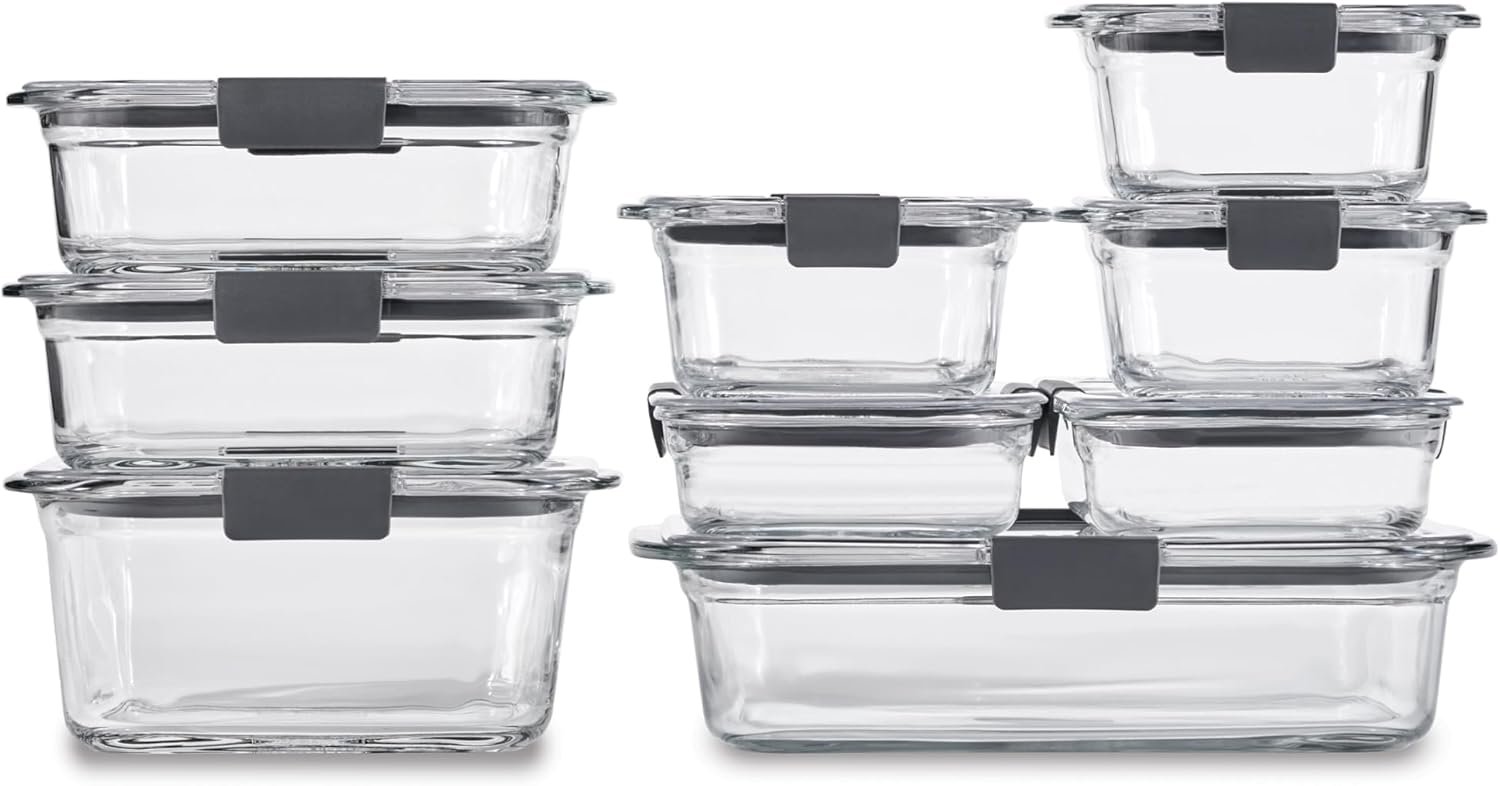
4. Glass Storage Containers
If you want macros to actually work with a busy life, meal prep is key.
Glass containers make it easy to portion meals ahead of time so you’re not scrambling when you’re hungry. These are also perfect for leftovers.
I love these because they can go straight from the fridge to the oven (just not the lids).
5. A Way to Track Your Macros
You need an app that actually tracks the numbers for you.
My favorite is MyFitnessPal because it has a huge food database and makes logging meals really simple.
You can scan barcodes, save meals you eat often, and see your macros update throughout the day.
Once you get the hang of it, logging a meal usually takes less than a minute.
6. Your Macro Targets
This is the part most people overthink.
You just need a daily target for calories, protein, carbs, and fats. Then you try to stay close most days.
An easy way to start is to ask ChatGPT for a macro estimate using:
your height
your weight
your goal weight
activity level
any limitations (like breastfeeding)
From there you can track everything in MyFitnessPal and adjust as you go.
I lost 7 pounds in two months postpartum counting macros and working out! Let me know if this works for you.